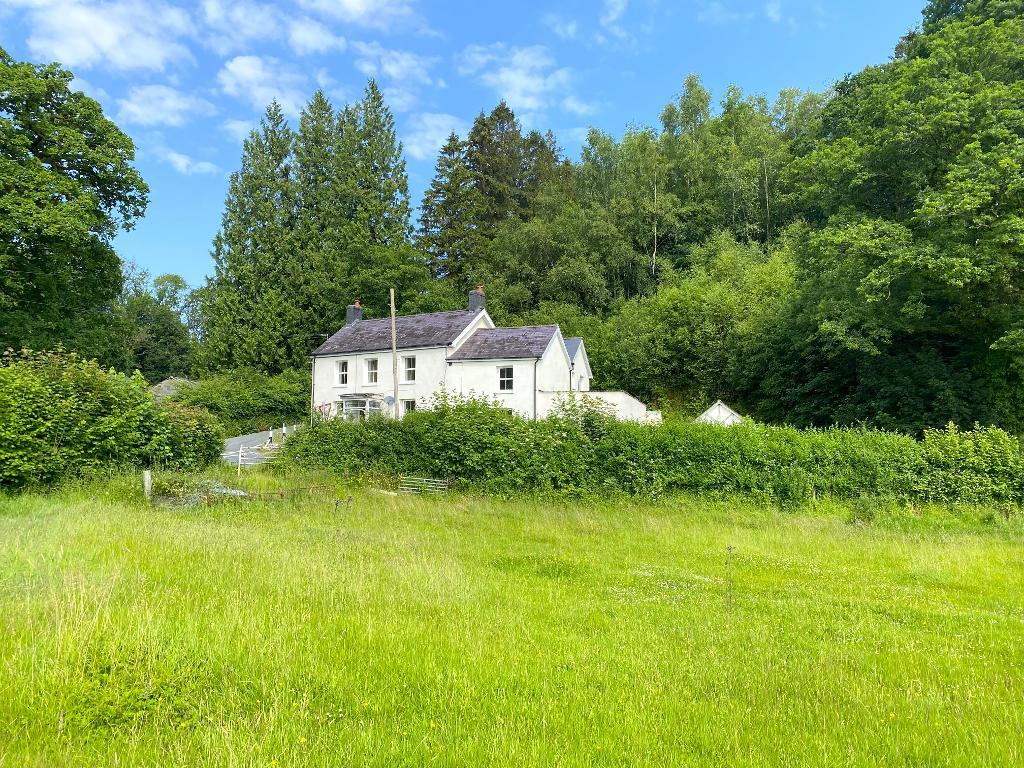
Owning land is the first step toward freedom, but rules and regulations still apply. Whether you want to build a home, start a smallholding, or run a rural business, understanding what you can and can’t do is crucial to avoid costly mistakes.
🏡 Living on Your Land & Building a Home
✅ What You Can Do:
✔ Live on your land in a legally built home (with planning permission).
✔ Build a permitted development (e.g., extensions, agricultural buildings in some cases).
✔ Install temporary structures (e.g., a caravan, yurt, or log cabin for short stays).
✔ Apply for ‘prior approval’ for agricultural dwellings if running a farm business.
❌ What You Can’t Do (Without Permission):
✘ Live on the land full-time in a caravan, cabin, or yurt (without planning permission).
✘ Build a house, even a tiny one, without permission.
✘ Turn agricultural land into residential land without council approval.
🔹 Reality Check: Getting planning permission for a permanent home is difficult but not impossible—stronger cases are made when tied to a rural business, smallholding, or farming need.
💰 Earning Money From Your Land
✅ What You Can Do:
✔ Run many rural businesses (e.g., selling farm produce, dog walking fields, firewood, equestrian livery).
✔ Rent out land for grazing, storage, or events (within certain limits).
✔ Use the ‘28-day rule’ to operate a business (e.g., a campsite or festival for up to 28 days a year without planning permission).
✔ Sell produce from your land (e.g., honey, eggs, flowers, fruit, veg, firewood).
✔ Apply for farm diversification grants to expand your business.
❌ What You Can’t Do (Without Permission):
✘ Run a business that changes the land’s primary use (e.g., a permanent wedding venue, holiday park, or commercial storage yard).
✘ Sell food products without following food safety laws.
✘ Turn fields into a permanent campsite or glamping site without permission.
🔹 Reality Check: If your business idea aligns with agricultural, forestry, or eco-tourism purposes, you have a much better chance of getting planning approval.
🚜 Farming, Smallholding & Keeping Animals
✅ What You Can Do:
✔ Keep livestock (chickens, pigs, goats, cattle, etc.) without permission.
✔ Grow crops, plant trees, and manage woodland freely.
✔ Sell eggs, milk, honey, fruit, and veg without much red tape.
✔ Erect small agricultural buildings (e.g., sheds, barns, polytunnels) under permitted development.
❌ What You Can’t Do (Without Permission):
✘ Operate an intensive farm (large-scale) without environmental approval.
✘ Slaughter animals on-site for commercial sale (special licenses are required).
✘ Turn agricultural land into commercial equestrian use (e.g., riding school or livery yard) without planning.
🔹 Reality Check: If your land is classed as agricultural, you have more freedom for farming, but converting it to another use (even equestrian) may require permission.
🌳 Living Off-Grid & Self-Sufficiency
✅ What You Can Do:
✔ Install solar panels, wind turbines, or rainwater collection (some systems need approval).
✔ Compost toilets & off-grid waste systems (if meeting environmental regulations).
✔ Forage for wild food, plant fruit trees, and create wildlife ponds.
✔ Collect and use rainwater for non-drinking purposes.
❌ What You Can’t Do (Without Permission):
✘ Build an off-grid house and live in it full-time without permission.
✘ Dig your own well without a water abstraction license.
✘ Use excessive wood-burning stoves or open fires in smoke-controlled areas.
🔹 Reality Check: Living off-grid is possible, but councils are strict about wastewater, sewage, and building codes. Some areas are more lenient than others—research locations wisely!
🎉 Hosting Events & Allowing Public Access
✅ What You Can Do:
✔ Host events under the ‘28-day rule’ (e.g., weddings, markets, festivals, pop-up campsites).
✔ Run educational workshops (e.g., bushcraft, yoga retreats, farm tours).
✔ Charge for access to nature-based attractions (e.g., sunflower mazes, rewilding experiences).
❌ What You Can’t Do (Without Permission):
✘ Operate a full-time event venue (e.g., wedding barn, music festival site).
✘ Charge for fishing, shooting, or quad biking without insurance & council approval.
✘ Turn fields into a permanent car boot sale or market site without planning.
🔹 Reality Check: Events and seasonal attractions are profitable, but ongoing use will require planning approval and compliance with health and safety laws.
🚗 Vehicles, Parking & Storage
✅ What You Can Do:
✔ Park vehicles, caravans, and machinery for personal use.
✔ Store equipment related to farming, forestry, or permitted business activities.
✔ Offer occasional parking for events under the 28-day rule.
❌ What You Can’t Do (Without Permission):
✘ Run a commercial storage yard (e.g., caravans, shipping containers, HGV parking).
✘ Set up a car sales lot or scrapyard.
✘ Pave over large sections of land for commercial parking.
🔹 Reality Check: If you plan to run a storage-based business, you may need change-of-use approval. Agricultural storage is generally allowed.
💡 Key Takeaways
✅ Owning land gives you more freedom, but laws still apply—especially for living on it.
✅ Agricultural & forestry uses get the most flexibility, while residential & commercial uses face more restrictions.
✅ The ‘28-day rule’ allows short-term commercial activities, but long-term businesses need planning.
✅ Small-scale farming, self-sufficiency, and low-impact tourism are often the easiest paths to approval.
If you want to live on your land legally, the best strategy is to tie your application to a viable rural business or agricultural need.
Leave a Reply